













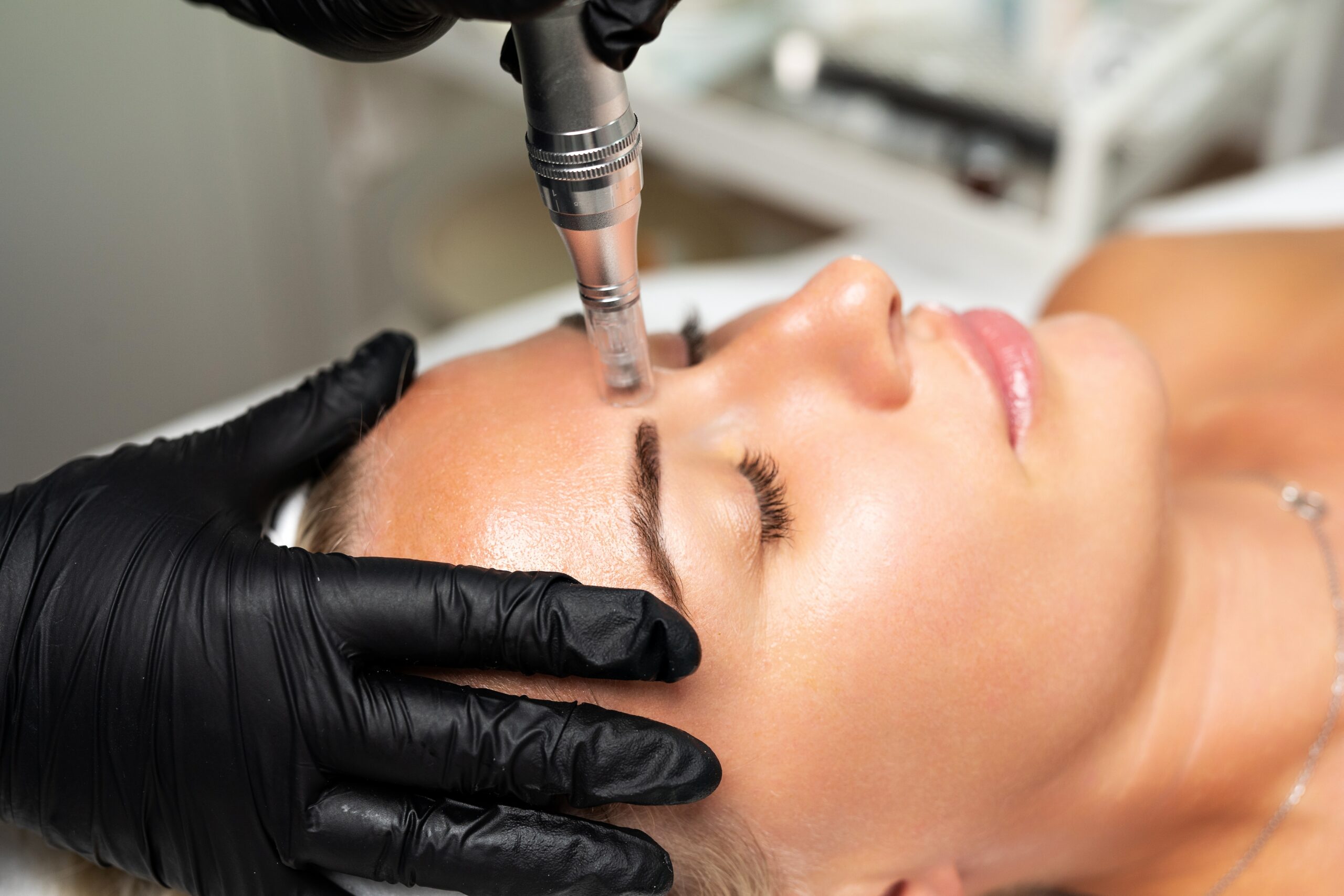

Understanding microneedling risks and safety is one of the most important steps in your aesthetic journey before scheduling a treatment. Microneedling has become one of the most sought-after skin rejuvenation treatments available, and for good reason. It may help improve the appearance of fine lines, uneven texture, acne scars, and enlarged pores with minimal downtime for most patients. But like any medical procedure, it carries considerations that deserve an honest, thorough conversation. Whether you are exploring this treatment for the first time or comparing your options in Paducah, KY, this guide is designed to give you the clarity you need. To explore all of your skin renewal options, visit our full cosmetic facial treatments in Paducah page.
How Microneedling Works and Why Safety Begins with the Device
Microneedling uses a device equipped with fine, sterile needles to create controlled micro-channels in the surface of the skin. This process is designed to stimulate the body’s natural collagen and elastin production, which may help improve the appearance of scarring, skin laxity, and texture irregularities over time.
The safety of any microneedling treatment begins with the quality of the device and the sterility of the environment. Medical-grade devices used in a supervised clinical setting are held to significantly higher standards than at-home rollers or tools purchased through retail channels. At-home devices carry a meaningfully higher risk of infection, improper depth calibration, and skin damage because they lack the precision controls available in a clinical setting.
In our practice, we use professional microneedling equipment that allows our providers to calibrate needle depth based on the treatment area and each patient’s individual skin characteristics. This level of precision is central to both safety and outcomes. The treatment area, skin thickness, and any existing skin conditions all factor into how the device is configured before the procedure begins.
Microneedling Risks and Safety: Common Side Effects and Who Should Use Caution
A candid discussion of microneedling risks and safety would be incomplete without addressing what patients realistically experience after the procedure. Most patients experience redness, mild swelling, and skin sensitivity for 24 to 72 hours following treatment. These responses are a normal part of the skin’s healing process and typically resolve without intervention. Pinpoint bleeding during the procedure is also common and expected.
Less common but possible side effects include prolonged redness, temporary hyperpigmentation, breakouts, or skin peeling. In rare cases, and most often when protocols are not followed, infection or post-inflammatory hyperpigmentation may occur. This is why provider training and post-care guidance are not optional components of a safe treatment plan.
Candidacy Considerations
Microneedling may not be appropriate for every patient. Providers typically advise caution or a delay in treatment for patients who have active acne breakouts in the treatment area, open wounds, certain skin infections, a history of keloid scarring, or who are pregnant. Patients on isotretinoin (Accutane) are generally advised to wait a period of time after completing the medication before undergoing the procedure. Blood-thinning medications and certain topical retinoids may also require a temporary pause.
A thorough consultation is the only reliable way to determine whether microneedling is appropriate for your skin at this time. You can review answers to common pre-treatment questions in our frequently asked questions section.
What a Safe Microneedling Protocol Looks Like in a Clinical Setting
When microneedling is performed in a properly supervised medical environment, the protocol follows a structured sequence designed to protect patient safety at every step. Before the procedure begins, the skin is thoroughly cleansed, and a topical numbing agent is applied. Most patients find the treatment well-tolerated once the numbing cream has taken full effect.
During the treatment, the provider works methodically across the target areas, adjusting device settings as appropriate for different zones of the face or body. After the procedure, a calming serum or growth-factor product is typically applied to support the skin’s recovery.
Post-Treatment Care Protocols
What happens after microneedling matters as much as the procedure itself. Patients are typically advised to avoid direct sun exposure, strenuous exercise, active skincare ingredients such as retinol and exfoliating acids, and makeup for a defined recovery window. Broad-spectrum SPF use becomes especially important during the healing phase, as newly treated skin is more susceptible to UV-related damage and discoloration.
Maintaining a series of treatments, typically spaced four to six weeks apart, is often how patients achieve and sustain visible improvements. For patients exploring complementary treatment options, our team also offers HydraFacial MD in Paducah and CoolPeel laser treatments that may support skin health between microneedling sessions.
Why Choose Ballert Medical Aesthetics in Paducah, KY?
When it comes to microneedling risks and safety, your provider’s credentials matter immensely. Dr. Ballert is double board-certified in Facial Plastic and Reconstructive Surgery and Otolaryngology-Head and Neck Surgery, bringing a depth of anatomical knowledge to aesthetic treatments that goes well beyond what cosmetic training alone provides. His education spans the University of Louisville, the University of Virginia, the University of South Florida, and a Fulbright Fellowship in Sydney, Australia.
Dr. Ballert also serves as an Oral Board Examiner for the Facial Plastic and Reconstructive Surgery section of the American Board of Otolaryngology, Head and Neck Surgery, a distinction that reflects recognized expertise in the specialty. Patients across Paducah and the broader West Kentucky region trust Ballert Medical Aesthetics because of this combination of surgical precision, aesthetic training, and genuine care for patient outcomes. To read experiences from our patients, visit our reviews page.
Frequently Asked Questions
Is microneedling painful?
Most patients find microneedling well-tolerated once a topical numbing cream has been applied prior to the procedure. Some areas of the face may feel more sensitive than others, particularly around bony prominences. Discomfort levels vary by individual skin sensitivity and needle depth. Your provider will discuss what to expect during your consultation so you feel fully prepared before treatment begins.
How many microneedling sessions will I need to see results?
The number of sessions recommended depends on your individual skin concerns and goals. Many patients begin to notice improvements in texture and tone after two to three treatments, though a series of four to six sessions spaced four to six weeks apart is common for concerns such as acne scarring or more advanced signs of aging. Individual results may vary, and your provider will recommend a plan tailored to your skin.
Can microneedling be safely combined with other treatments?
In many cases, microneedling may be incorporated into a broader skin care plan that includes other services. However, certain treatments should not be performed on the same day or too close together. Your provider will evaluate your current regimen, including any injectables or topical prescriptions, and recommend appropriate timing. Explore our skin condition treatments page for a broader overview of what our practice offers.
What should I avoid before a microneedling appointment?
Patients are typically advised to avoid retinol, exfoliating acids, and other active topical ingredients for several days before treatment. Sun exposure, self-tanning products, and certain medications may also need to be paused before your appointment. Your provider will give you specific pre-treatment instructions during your consultation. Following these guidelines carefully helps reduce the likelihood of unwanted side effects after the procedure.
Is microneedling safe for all skin tones?
Microneedling is generally considered a suitable option for a range of skin tones because it does not use heat or light energy that can affect pigment-producing cells. However, patients with a history of post-inflammatory hyperpigmentation should discuss this with their provider before proceeding. Proper needle depth and post-care sun protection are particularly important for minimizing pigmentation risk. A thorough skin assessment at consultation helps ensure a safe, personalized approach.
Schedule a Microneedling Consultation in Paducah, KY
If you have been researching microneedling risks and safety and want to discuss whether this treatment is right for your skin, our team at Ballert Medical Aesthetics in Paducah, KY, is here to help. We welcome patients from across West Kentucky for personalized consultations with a double board-certified physician. Visit our contact page to request an appointment.

